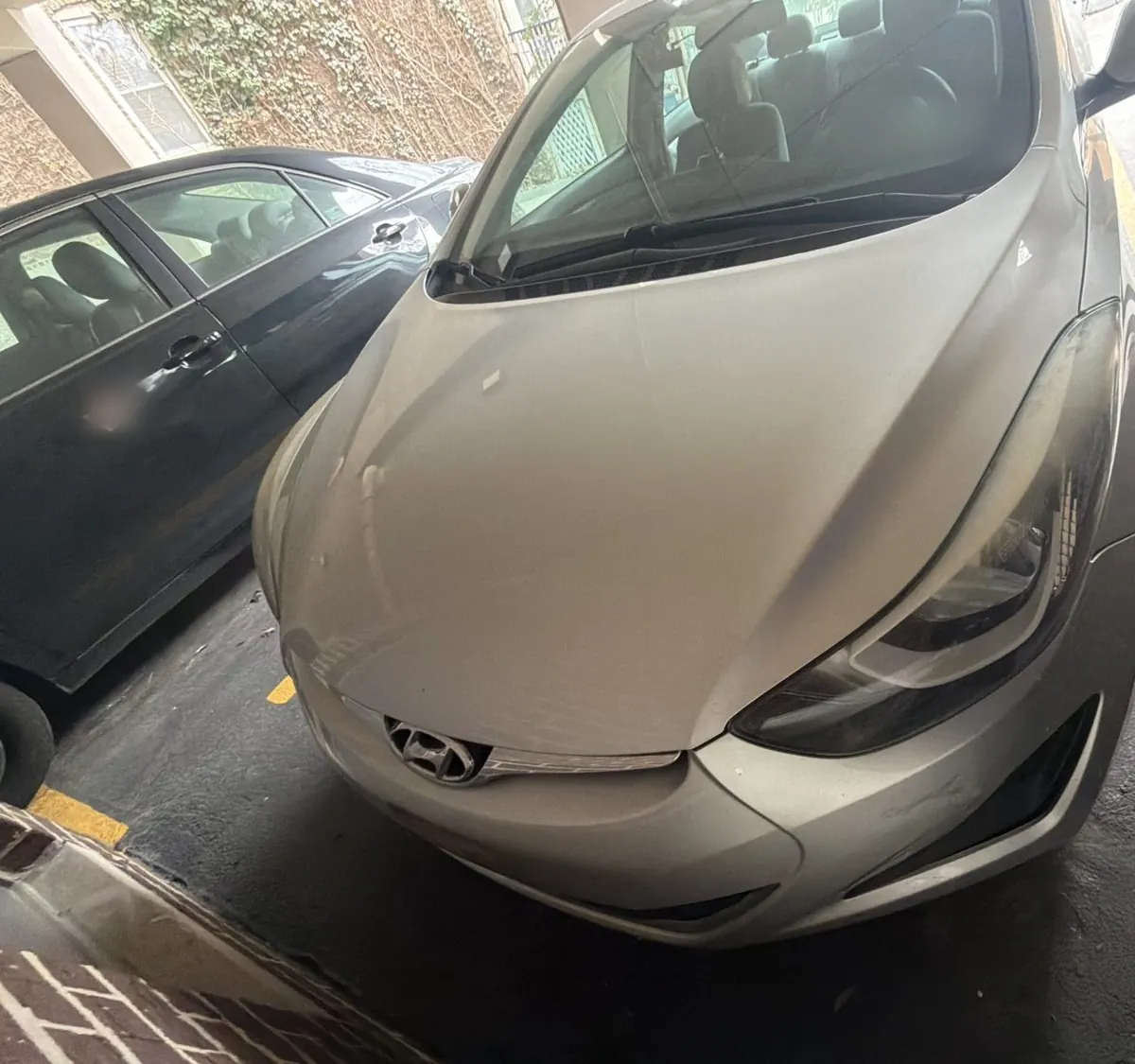
Wanting a number first makes sense. But junk car values vary from car to car, and a year, make and model alone say little about them.
General market factors (no particular order)
- Weight. Junk cars are largely metal. Trucks and vans have their own page.
- Reusable parts. An engine, transmission, body panels or wheels can have value as parts.
- The catalytic converter. Whether it is still on the car is something buyers commonly ask.
- Condition. Fire, flood and crash damage affect what can be reused. They don’t stop a sale.
- Paperwork. Missing papers can affect whether a car can be bought at all; see the title page.
- The scrap market. Metal prices move, which is one reason there is no fixed price list.
Two things that are fixed with us
- Towing. It is free. No towing charge is taken out of the offer.
- Time. Our offers don’t expire, so you can think it over.
Getting the most for a car that doesn’t run
Leave the parts on it. Find the papers. When comparing buyers, compare the full amount you will receive with towing included. If the car failed emissions, see what that changes; if it simply won’t start, see cars that don’t run.
Get your number
Request an offer. We aim to call back within 15 minutes with an offer for that car.
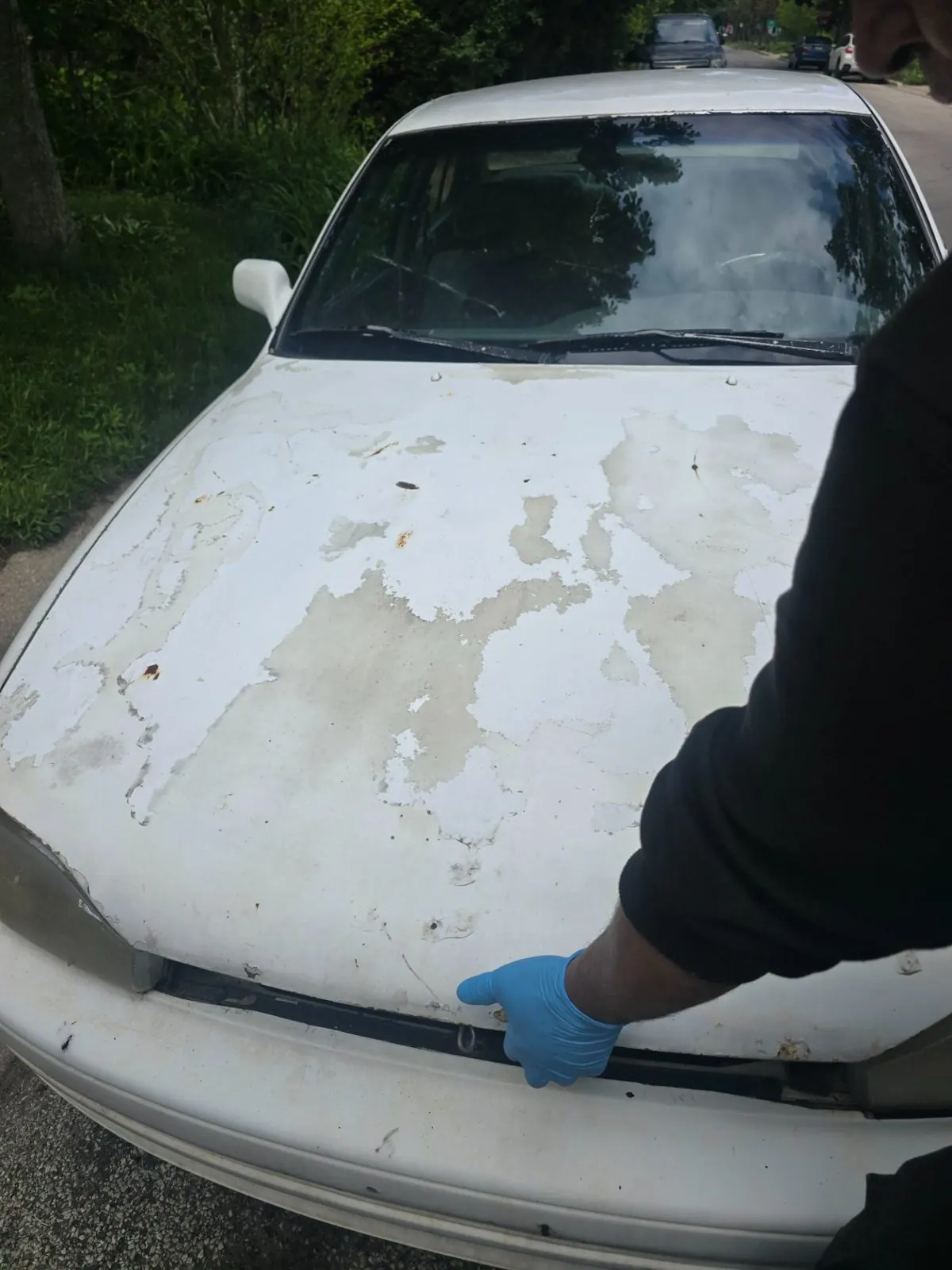
Questions on this page
How much is a car worth at a junk yard?
It depends on the car. Across the market, weight, usable parts, the catalytic converter, condition, paperwork and scrap metal prices all come into it, and scrap prices change over time. That is why there is no fixed price list.
How can I get the most money for a car that doesn't run?
Keep the parts on it, especially the catalytic converter, wheels and battery. Find the title or whatever papers you have. And compare offers on the full amount you will be paid, with towing included.
Does an offer from you expire?
No. Our offers don't expire, so you can take time to compare.